......and it runs and runs and runs and runs
Model - Conversions based on existing models
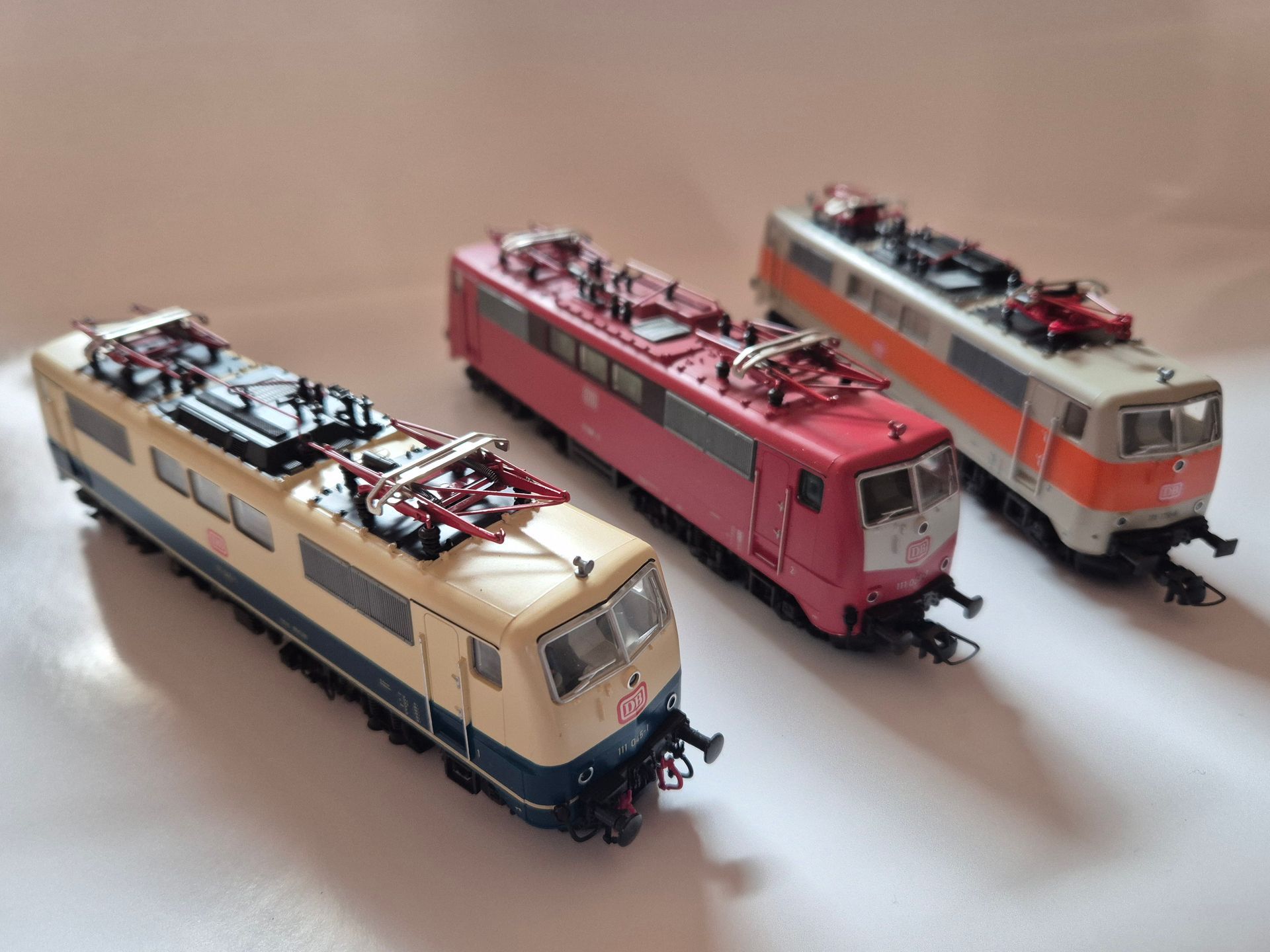
Currently: Deutsche Bundesbahn locomotive series 111 in HO - direct current (Roco)
4 models in production in the colors: beige-ocean blue, S-Bahn colors pebble gray-orange, oriental red or traffic red
Available and operational probably by the end of 2025
Ausstattung
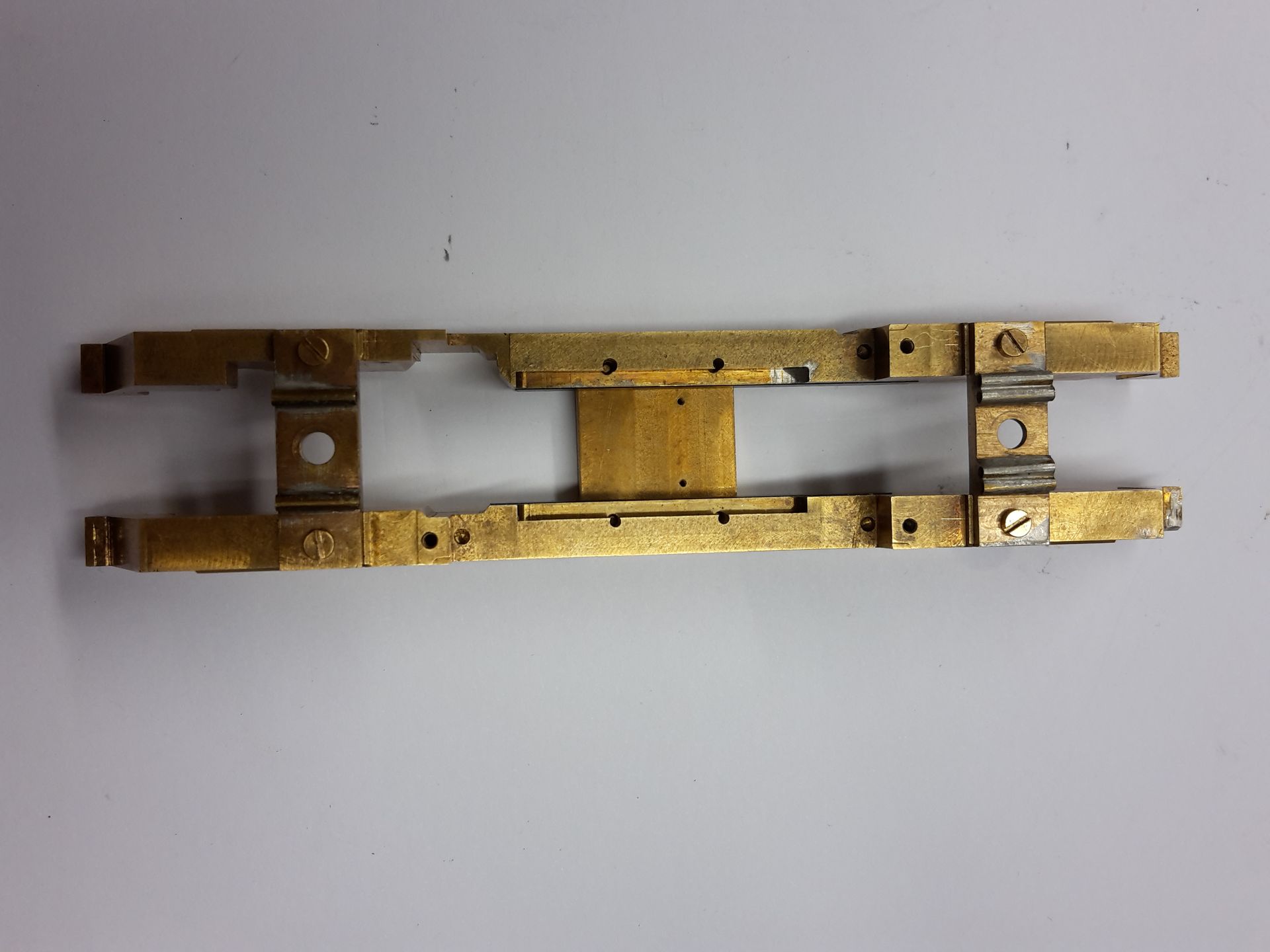
The locomotive frame:
- heavy 5-part, milled locomotive frame made of brass MS 58
- all parts screwed together
- mount for the bogie bearing
- cable routing channels soldered
- Mounting for the locomotive decoder and optimal air supply
- carrying case for the speaker
- holder for the circuit board
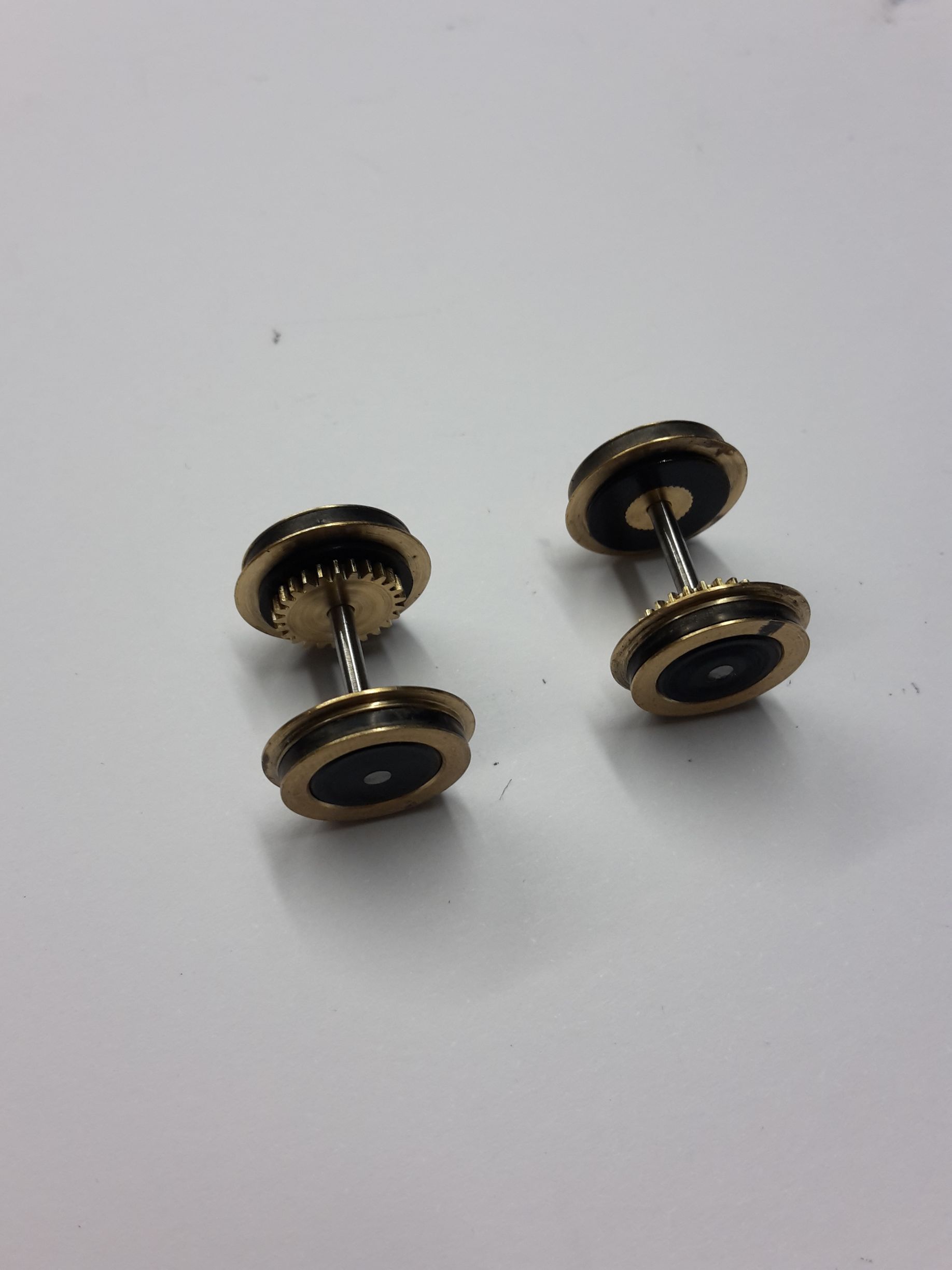
The wheel sets:
- steel axles made of V2A
- wheel rim made of brass MS 58
- isolated
- precision gears
- Press fit H7
- Travel sleeve
- 4 traction tires
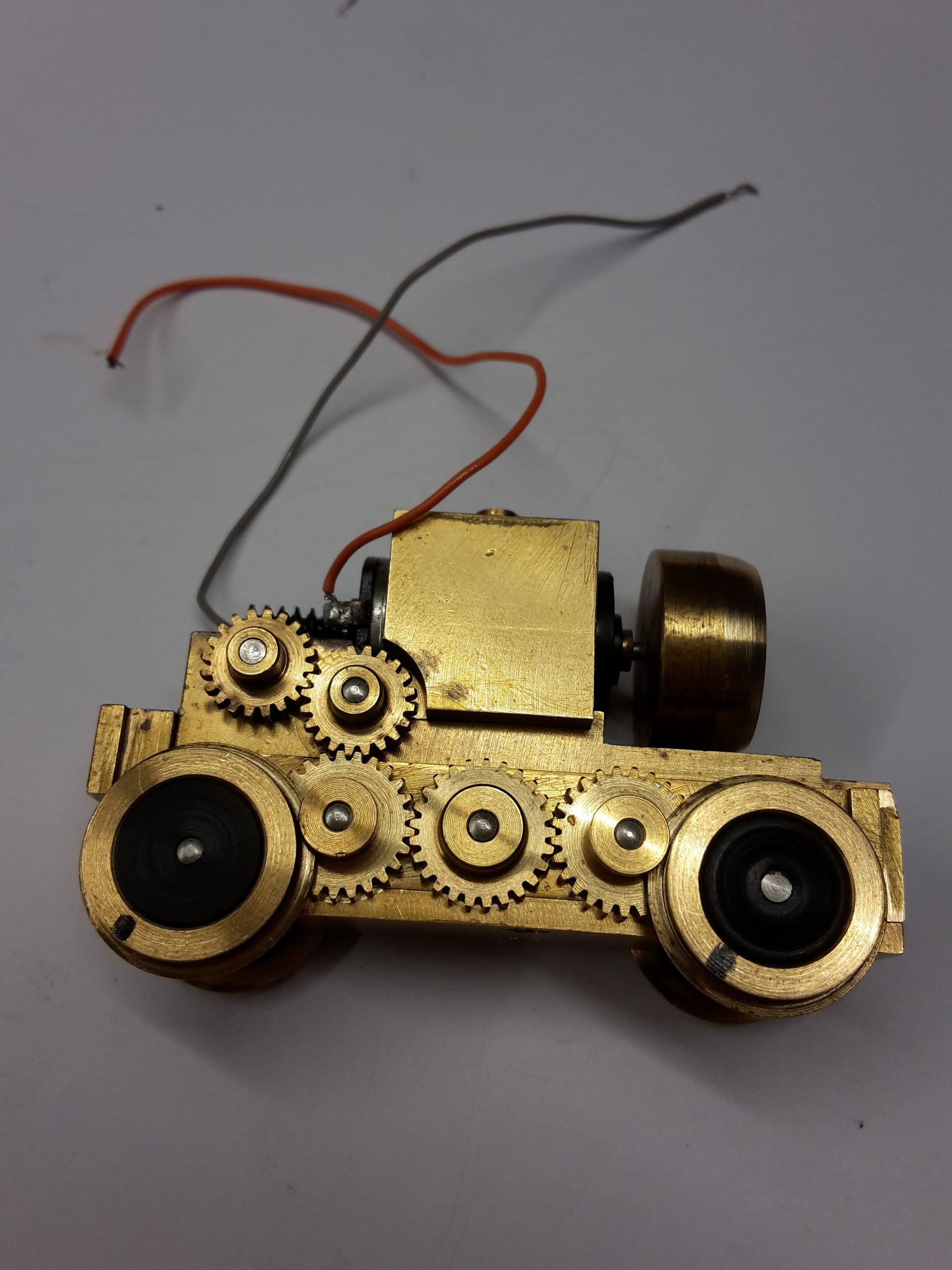
The drive bogie at driver's cab 1
- 4-part base body made of brass MS 58
- all parts screwed together
- precise motor mount that anchors the motor in the correct position with two screws
- Precision gears made of brass gears (except motor worm)
- 90% of the shafts and axles made of stainless steel, others made of brass MS 58
- Bores of shafts and axles reamed to H7 fit
- Gears screwed to the axles
- Shafts secured with spring rings or counter bearings
- all dimensions within the tolerance range of 0.02mm
- Central lubrication (except one gear shaft bearing channel)
- new wheel sets with traction tires (in-house development of the model railway depot)
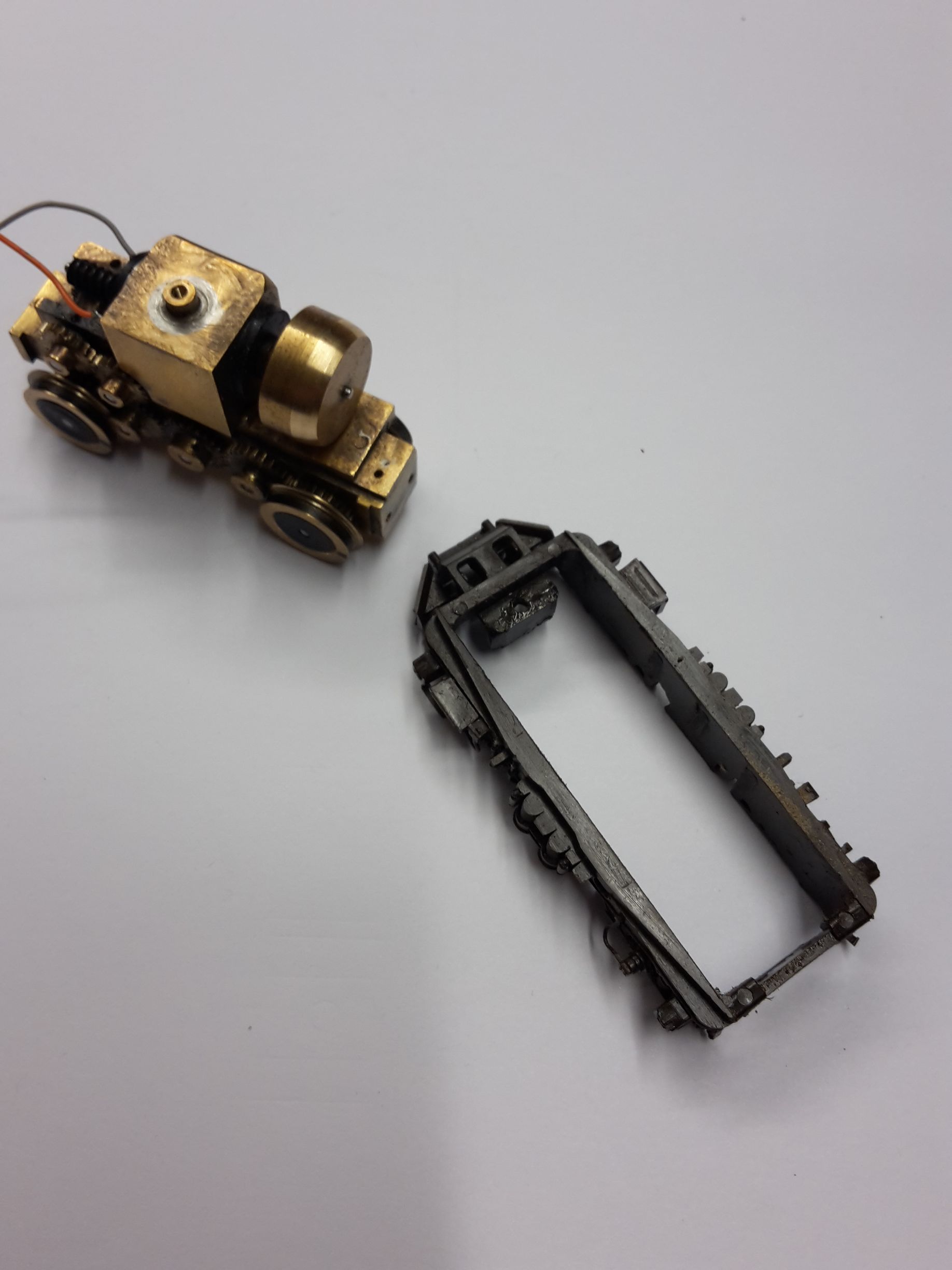
Drive bogie with prepared bogie cover
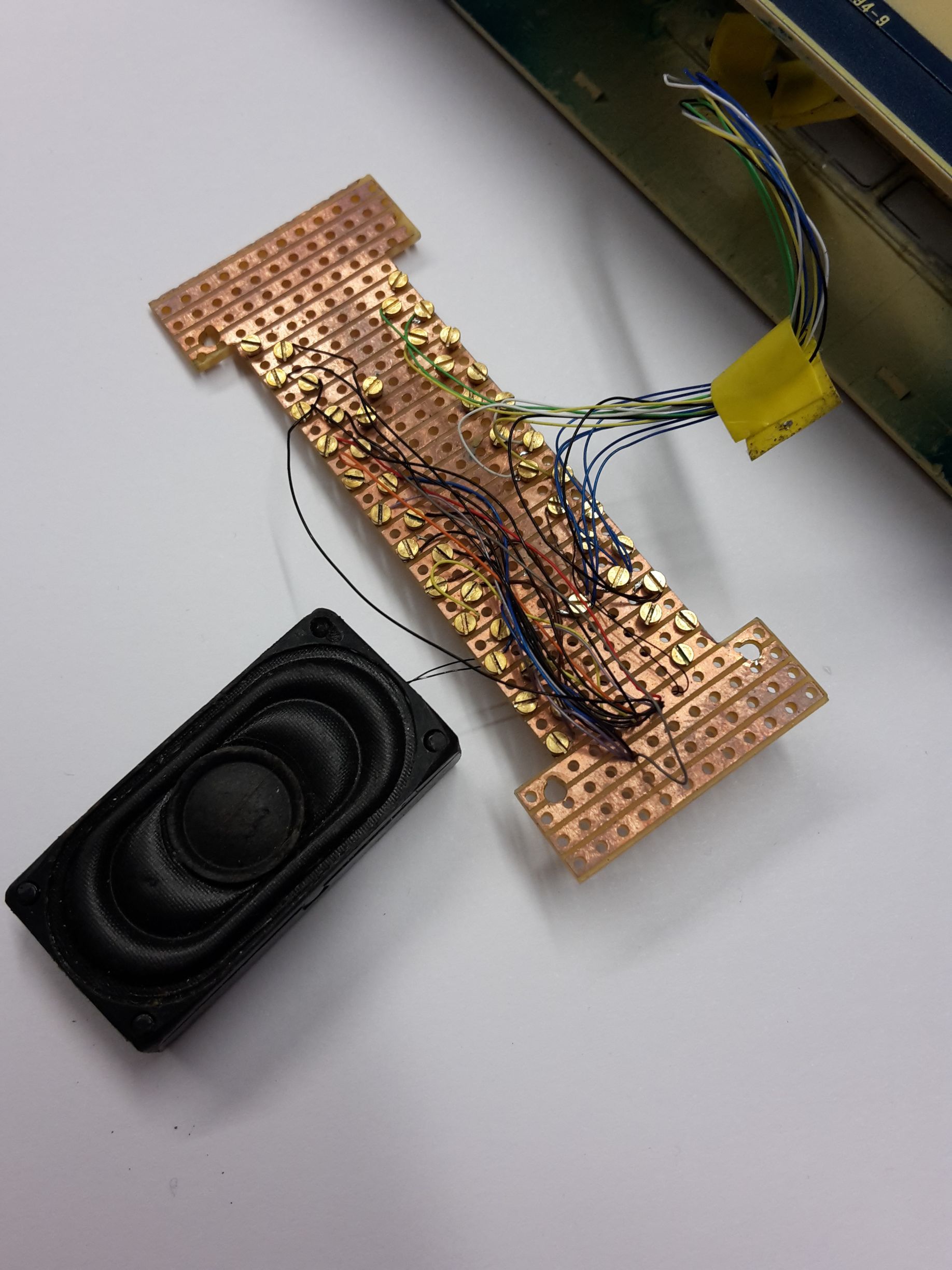
The speaker
- large loudspeaker with sound body
- Storage in the loudspeaker pocket of the locomotive frame (no unwanted change of position possible)
- radiating downwards (therefore no rattling sound)
The circuit board
- milled hard paper board with clear structures and conductor tracks
- all cable connections screwed (nothing soldered)
- contains, carries and connects via cable the mating connector to the PLUX 22 of the decoder
- secure anchoring on the locomotive frame and represents the upper end
- carries the connecting elements to the sister board in the locomotive body
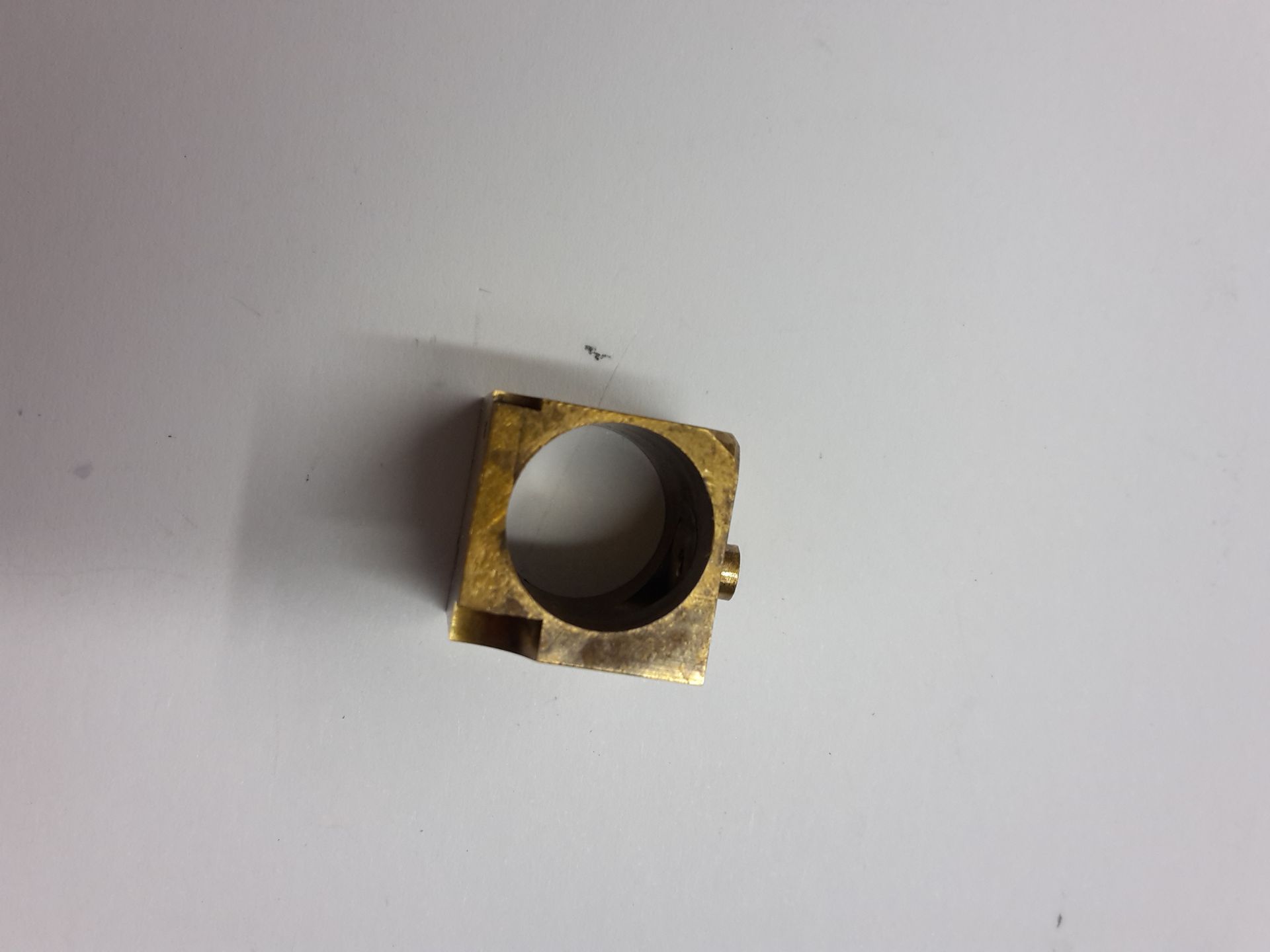
Motor mount; here the motor sits with 100% precision
The engine
- very high-quality bell-armature motor (German manufacturer)
- Flywheel mass is possible and is also installed in the prototype with a concentricity inaccuracy of 0.006mm
(first tests indicate a possible abandonment of the flywheel)
The trailing bogie at driver's cab 2
- conversion to a non-driven bogie
- new suspension on locomotive frame through guide pins made of brass MS 58
- accommodation and recording of the energy storage unit
The decoder
- almost free-floating installation of the decoder in the lower locomotive frame so that the decoder can be optimally cooled
- lateral insulation against interference currents
- air supply from above and below
- Decoder with PluX 22 connector
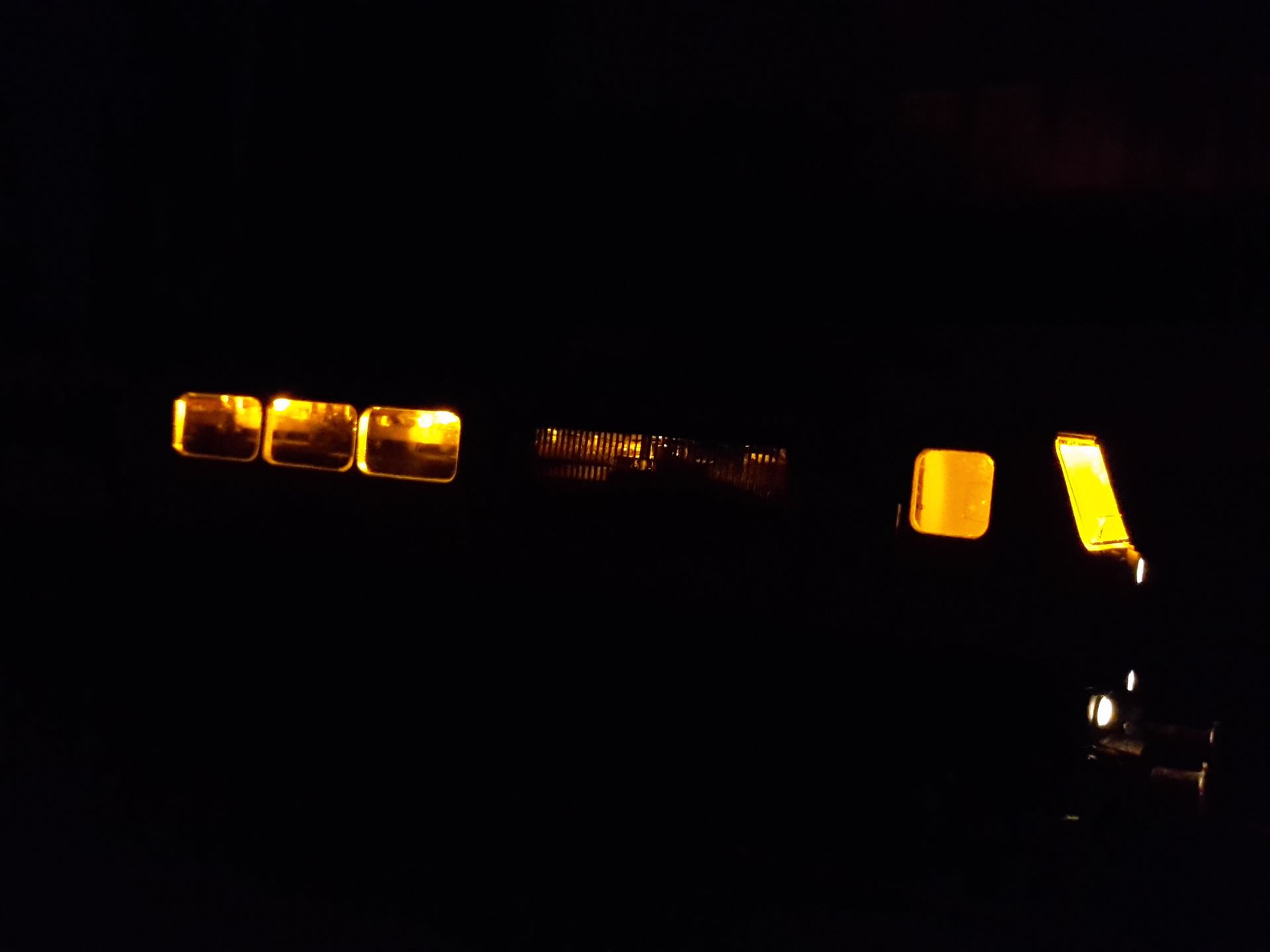
The light
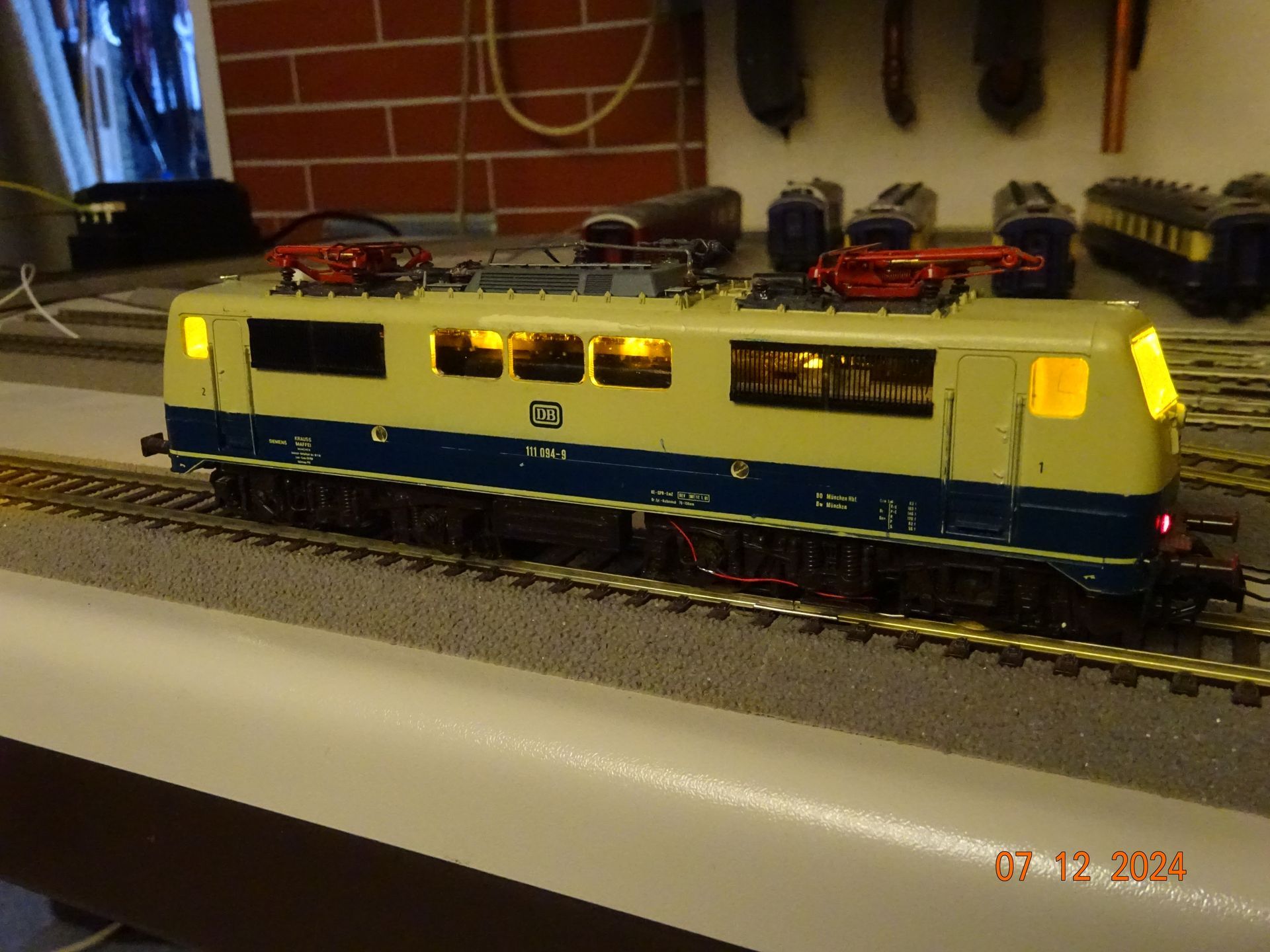
- LED lamps on the front (white / red); switchable regardless of the direction of travel
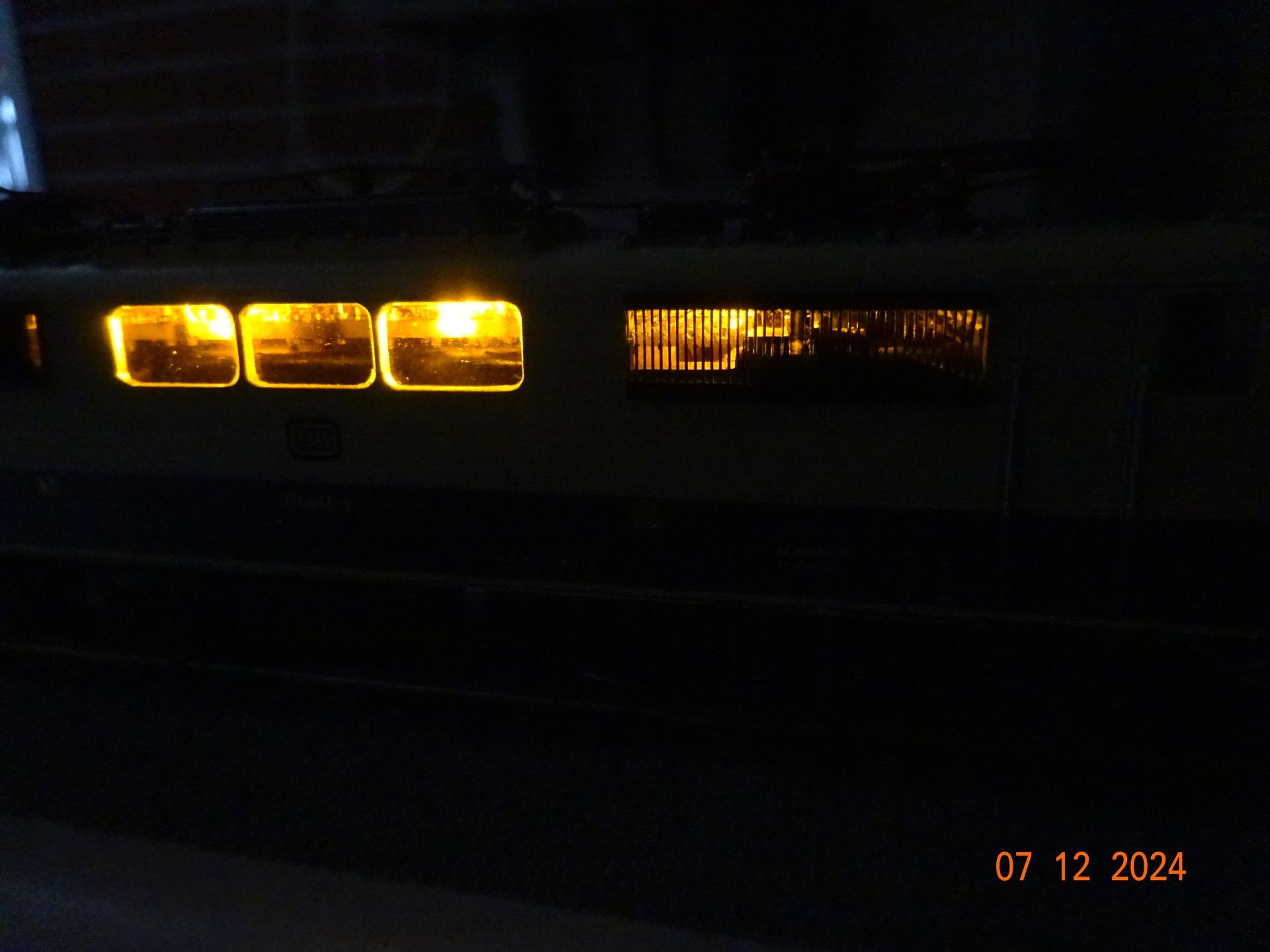
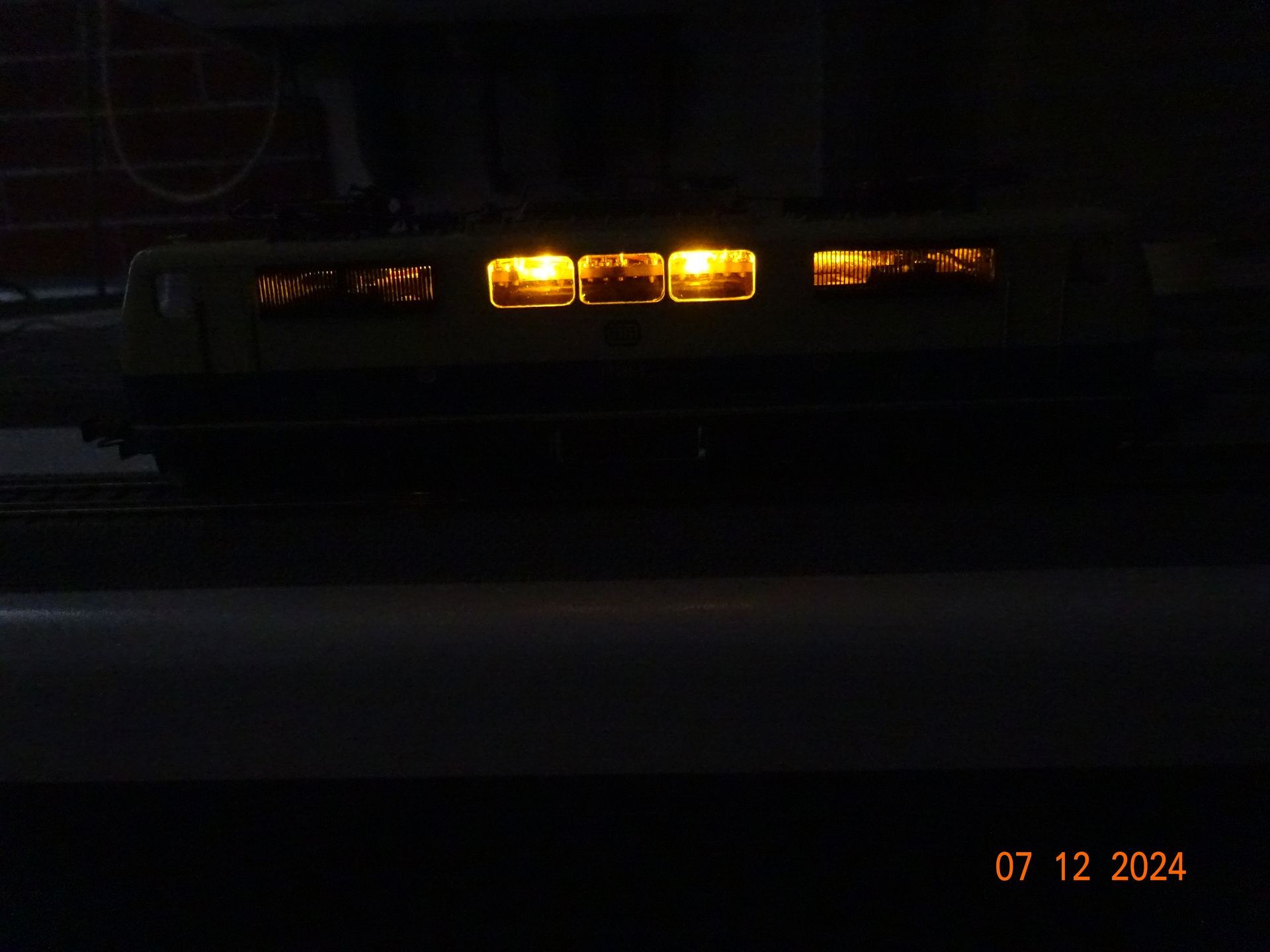
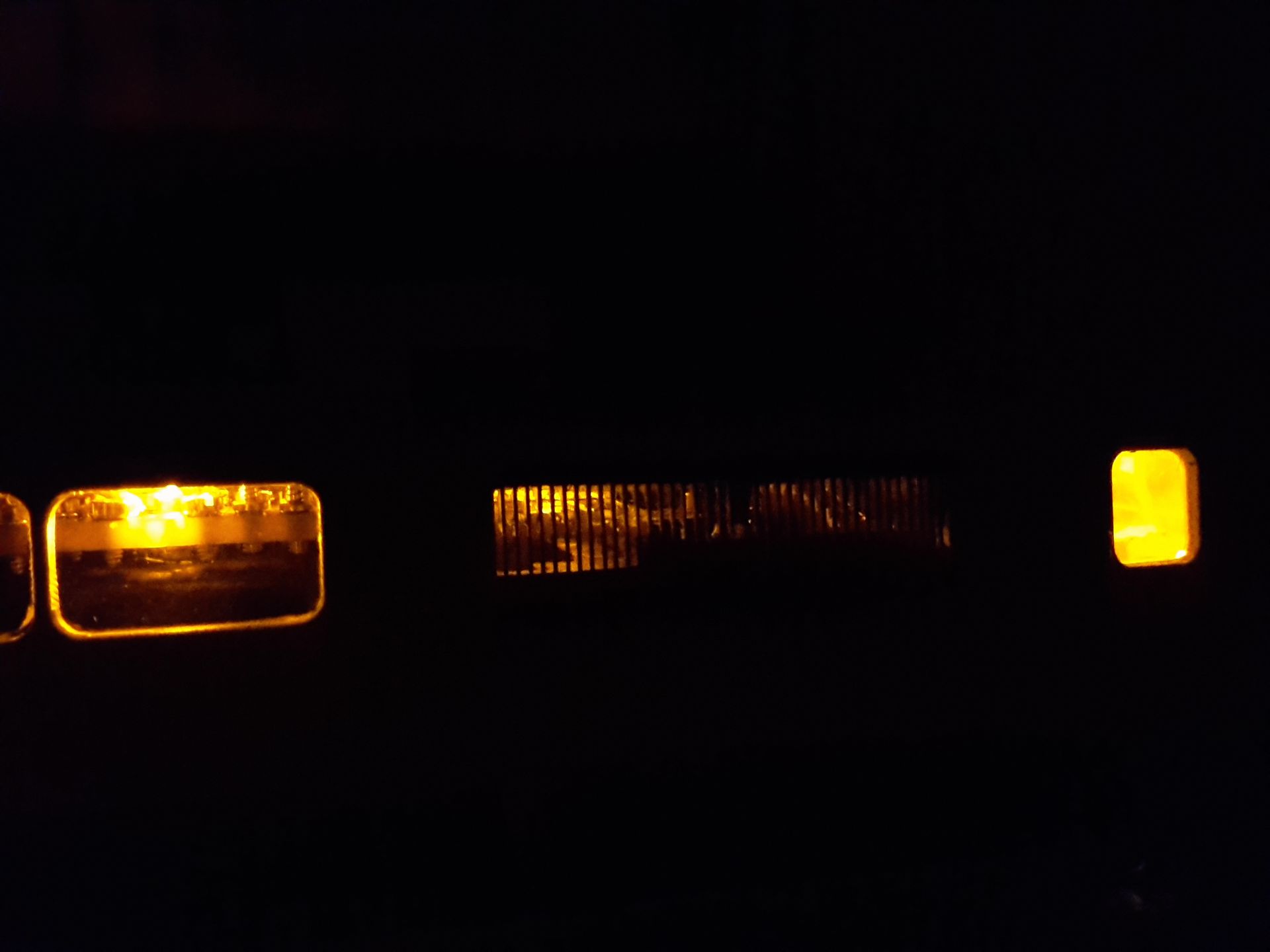
- Driver's cab lighting in both cabs (yellow); stands out beautifully from the headlights
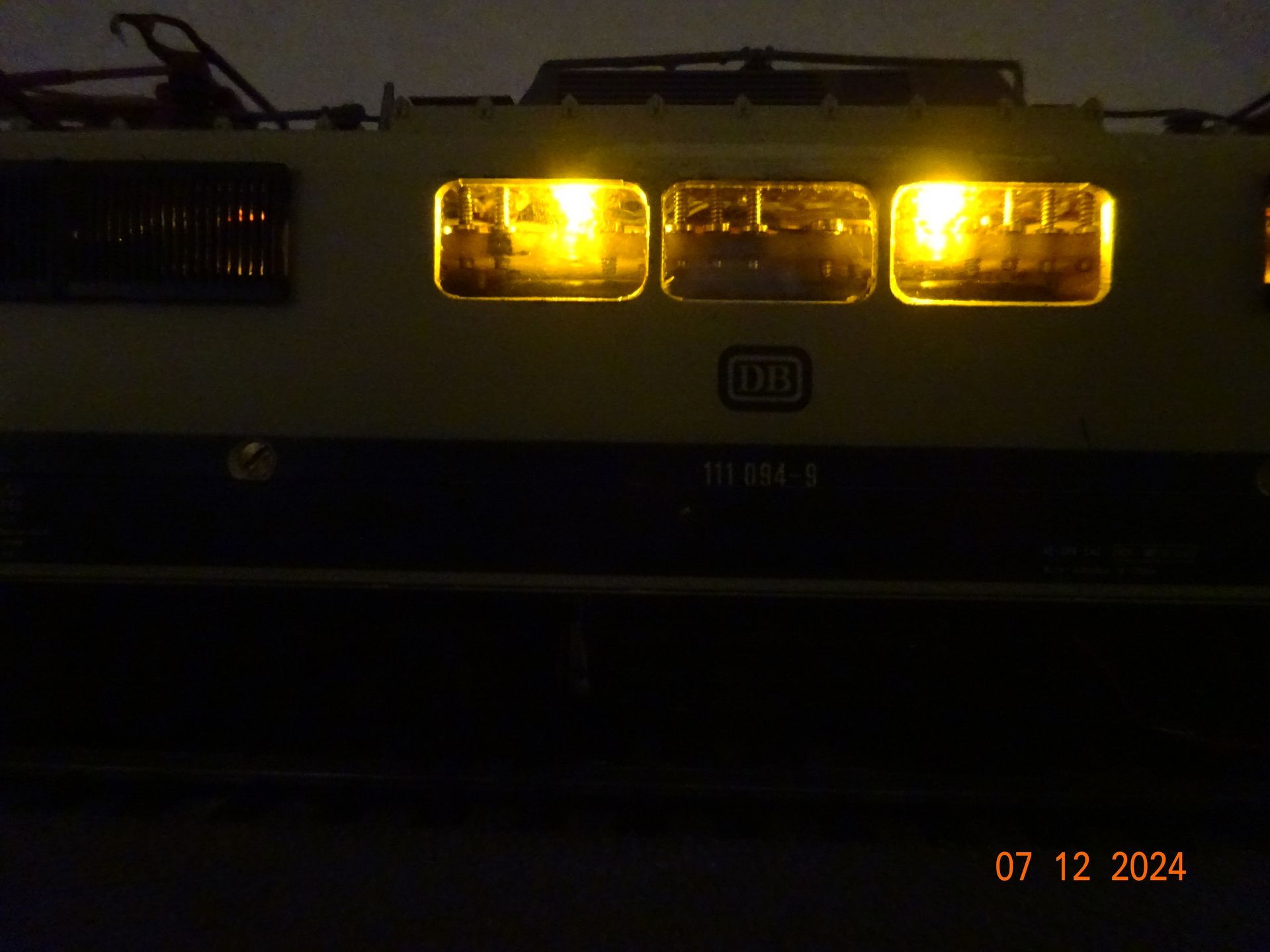
- Engine room lighting by 4 yellow LEDs (one-sided installation in the middle part of the locomotive)
Why? : The passage in the 111 was not centrally located but ran on one side in the middle section because of the large traction motor cooler it was moved to the side in the middle section
- one could even do without the engine room panel; since the view into the current engine room is also very interesting
In this case, the 111 looks better in machine grey, especially with the roof structures
The external appearance
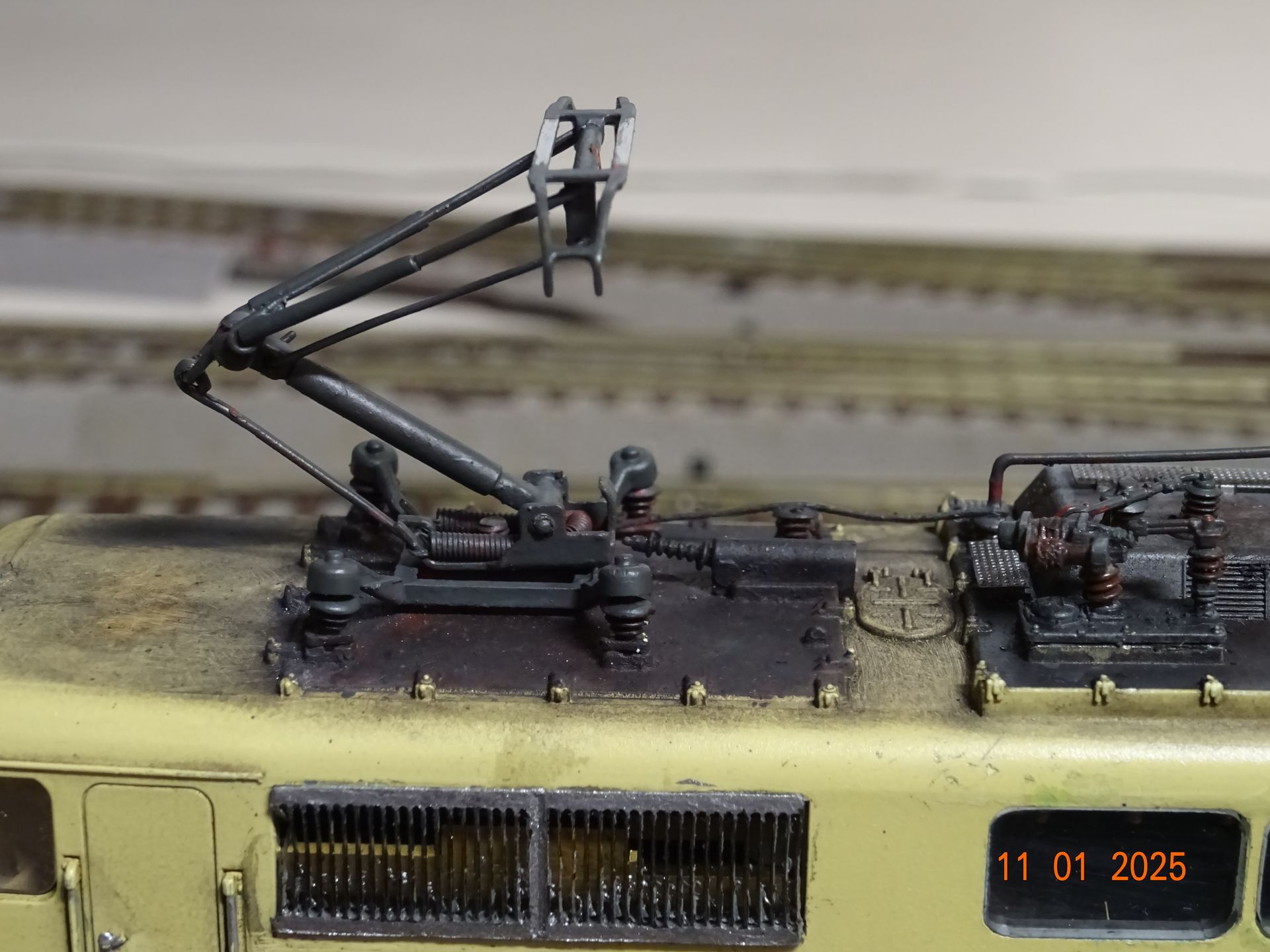
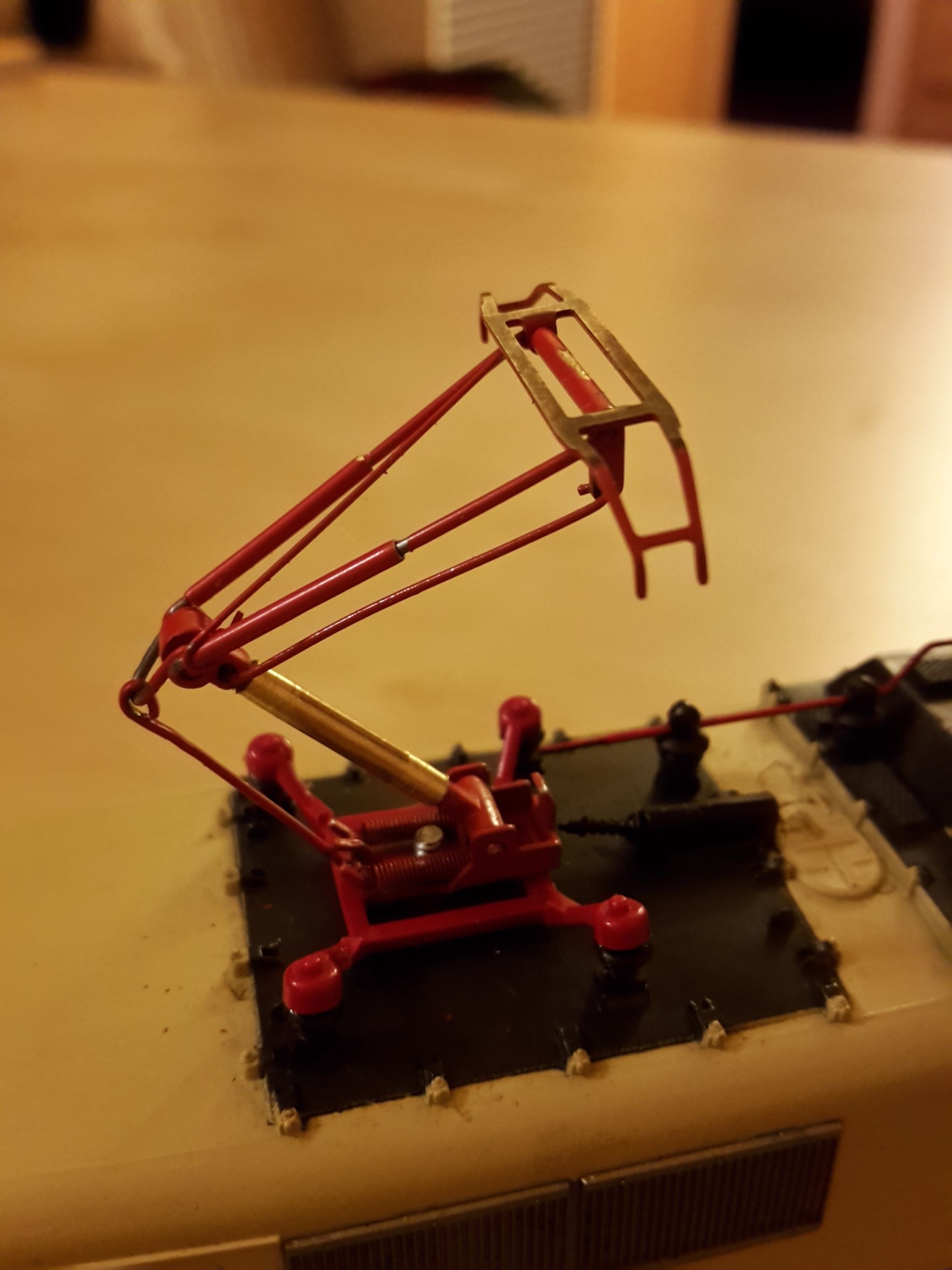
- new pantographs from Sommerfeldt
- partly new roof structures
- newly attached handlebars and windshield wipers
(I'm still working on this)
- new playpens
- openwork roof ventilation grille with a view into the engine room
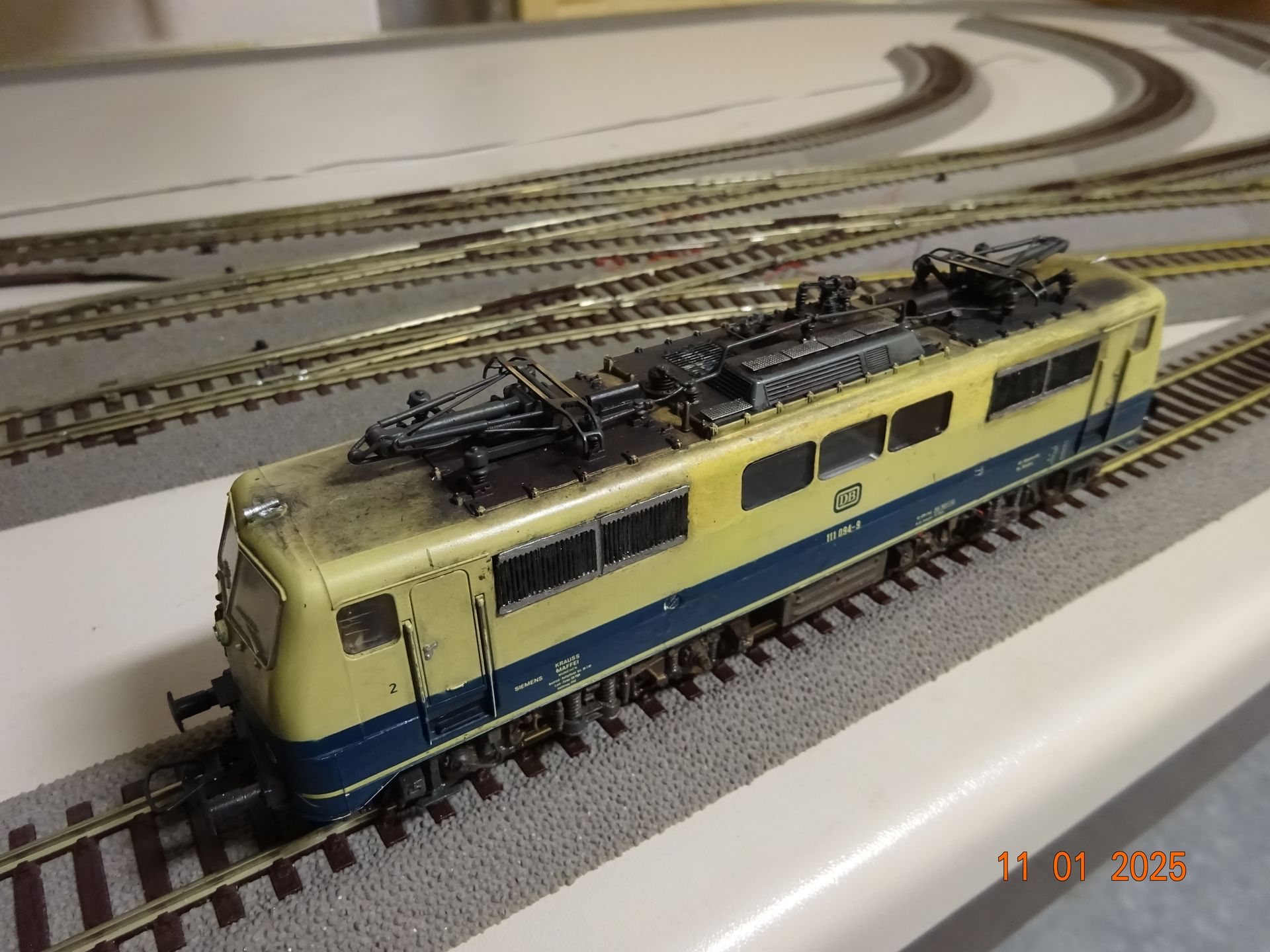
- new self-made, perforated ventilation grilles on the side - milled
- new self-made side windows made of plexiglass (individual windows fit exactly and are flush)
- new self-made brass signal horns
- the locomotive has been repainted; it is the prototype and you can see that it has been in service for many years
On the driving characteristics and performance:
- the front bogie / driver's cab 1 is powered and has traction tires on all 4 wheels
- the locomotive has 28 speed levels and is programmed for DCC but it also understands all other programming languages such as Motorola old/new and Selectrix
- Arrival on level from speed level 1 / locomotive carriage up to 12 IC carriages
Gradient:
- Starting on a 3.5% gradient = 7cm on 2m / locomotive and 2 brake cars (Roco rail cleaning cars) recommended starting speed 6 with subsequent rapid upshift to speed 10 and higher; the traction power of the locomotive remains the same, regardless of whether the drive bogie is at the front or rear
- further test: Locomotive 6 Rheingold carriages from Lilliput (the carriages are beautiful but have known poor running characteristics) but are ideal for testing
Starting gear 5 works, but you should switch up to 8-9 and higher. The couplings should be relaxed so that the locomotive can pull away. Then it keeps the train moving. If the couplings are tense, the train will not start. The engine power is not designed for this kind of start.
Weight: The locomotive weighs 550g
Realism!
There is a lot of information on the Internet about tractive force, friction and how many wagons a locomotive has pulled and how to set up a test to find out what a locomotive can pull.
In my personal experience, simple tests are sufficient, as was done at the DB. The locomotives were tested on gradients, either with brake vans or brake locomotives, multiple units or normal trains.
Regarding the Br 111, it must be said that the locomotive was used in express trains and IC traffic. Later, it was used in regional traffic.
It has pulled trains of 4 - 12 carriages; in IC traffic mostly in double traction in order to be able to keep to the timetable
and in inter-regional use mostly trains with 8 carriages.
I advocate depicting this on the model railway and not creating utopian train lengths.
When building locomotives, I value realistic values.
The 111 has a fine technology and must be treated as such. The locomotive and the system must harmonize. This is very important!
Note: I would like to point out that all parts of the drive system, apart from the motor and gears, as well as parts of the locomotive body, were built by me. In some places I based myself on an existing vehicle conversion from the 1990s, as well as commercially available models. However, I did not recreate these; I made refinements and changes to the design myself, based on my own ideas and experience. Any similarity would be purely coincidental.
